
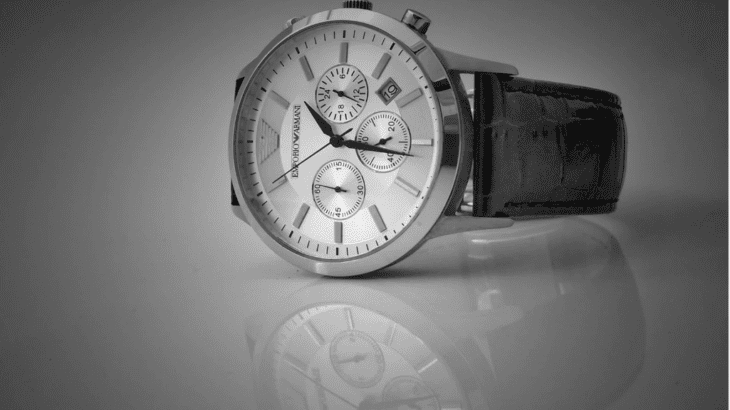
Are you a fan of classic timepieces? Whether you own a vintage heirloom or have recently splurged on a new luxury watch, it’s essential to understand the truth about maintaining these timeless accessories. WESTFALEN-BLATT explained that wrong insight can reduce the durability and longevity of your classic watches.
If we talk about classic watches, there are plenty of misconceptions and myths surrounding watch care that can lead to costly mistakes and unnecessary wear and tear. That’s why today, we’re debunking some of the most common classic watch maintenance myths. Let’s get the truth revealed.
Self-winding Means No Manual Winding
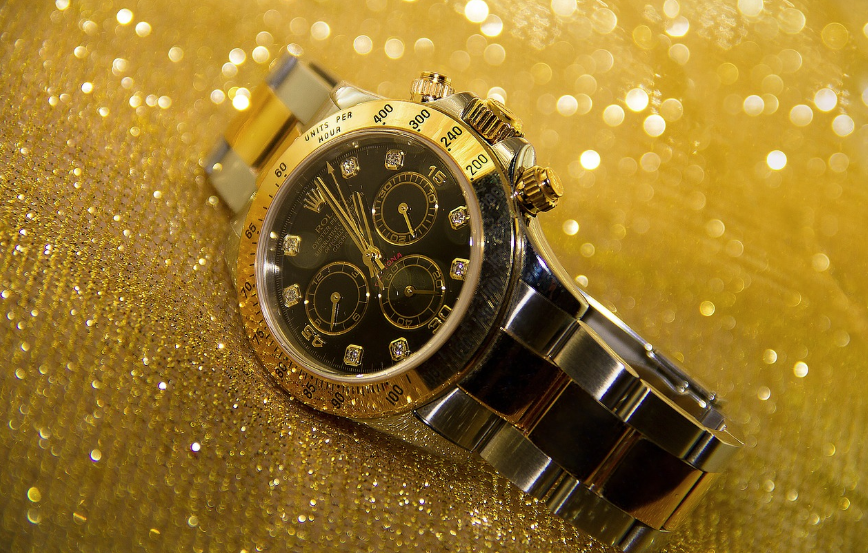 When it comes to self-winding watches, many believe that they don’t require any manual winding. After all, isn’t the whole point of a self-winding mechanism to eliminate the need for winding by hand?
While it’s true that these timepieces harness the movement of your wrist to function, this doesn’t mean you should completely neglect manual winding. Manual winding serves a critical purpose in maintaining the accuracy and longevity of your watch.
Think of it as giving your timepiece a boost of energy. By occasionally manually winding your watch, especially if you haven’t worn it for some time or if its power reserve is running low, you ensure its mainspring remains properly tensioned. Neglecting manual winding can lead to issues such as inaccurate timekeeping or even complete stoppage.
All Watches Are Maintenance-Free
Many people also believe that once they strap on their watch, they can forget about it and let the mechanism work its magic indefinitely. However, this is far from the truth. Watches are intricate machines with delicate components that require regular care and attention.
Over time, dust, dirt, and moisture can find their way into the inner workings of a watch and affect its accuracy or even cause damage. Without proper maintenance, your beloved timepiece may start losing time or stop functioning altogether.
Regular servicing is crucial to keep your watch in optimal condition. This includes cleaning the case and bracelet regularly to prevent tarnishing or corrosion. Additionally, lubrication of the movement ensures smooth operation of the gears inside.
Water Resistance Is Permanent
 Aside from that, many watch owners assume that once their timepiece has been labeled as water-resistant, they never have to worry about its exposure to moisture again. However, this couldn’t be further from the truth.
While modern watches are designed with varying degrees of water resistance, make no mistake: this feature can deteriorate over time. Even if your watch has a high level of water resistance when you first purchase it, factors such as aging gaskets and seals can compromise its ability to withstand water pressure.
Quartz Watches Don’t Need Regular Servicing
While it’s true that quartz movements are more accurate and reliable than their mechanical counterparts, they still benefit from occasional check-ups. One of the main reasons people believe quartz watches don’t need servicing is because they have fewer moving parts compared to mechanical watches.
However, this doesn’t mean they are immune to potential issues or complications over time. Over the years, dust particles can find their way into the dial and movement of a quartz watch, affecting its accuracy and performance, even of the best wrist watches. Additionally, the battery powering the watch will eventually need replacement – typically every 1-2 years – to ensure optimal functionality.